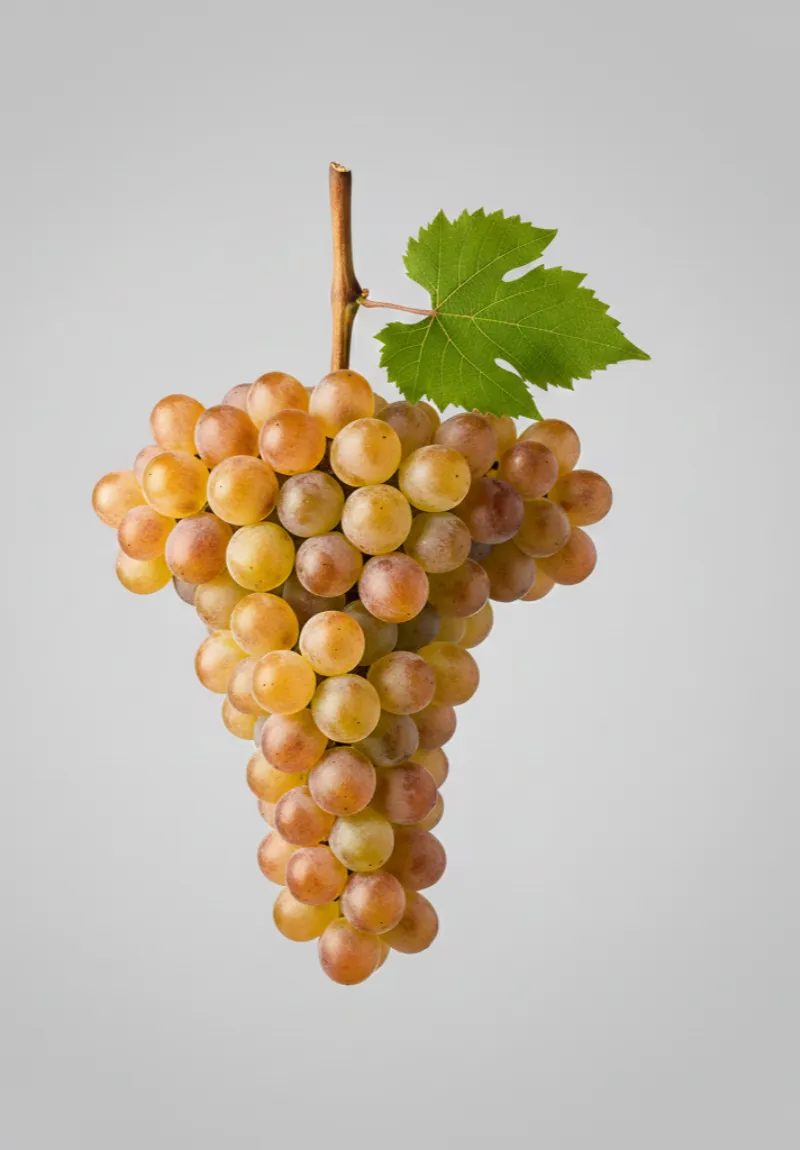
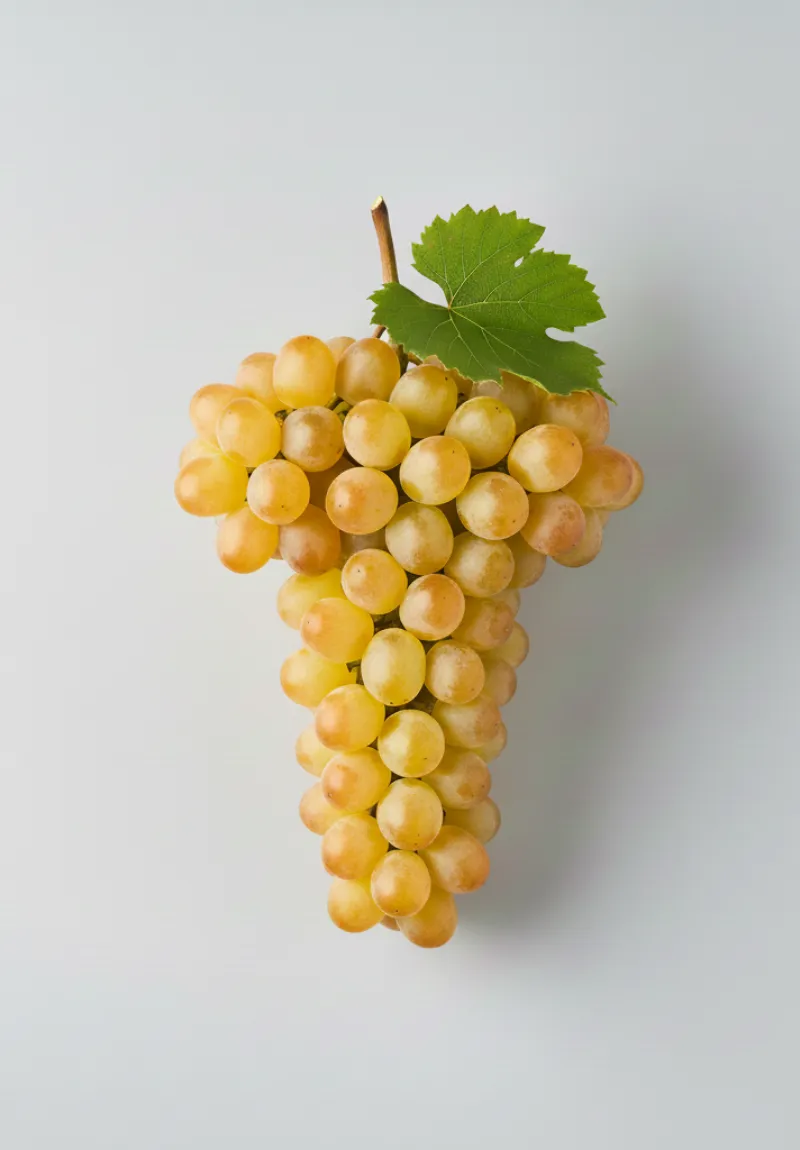
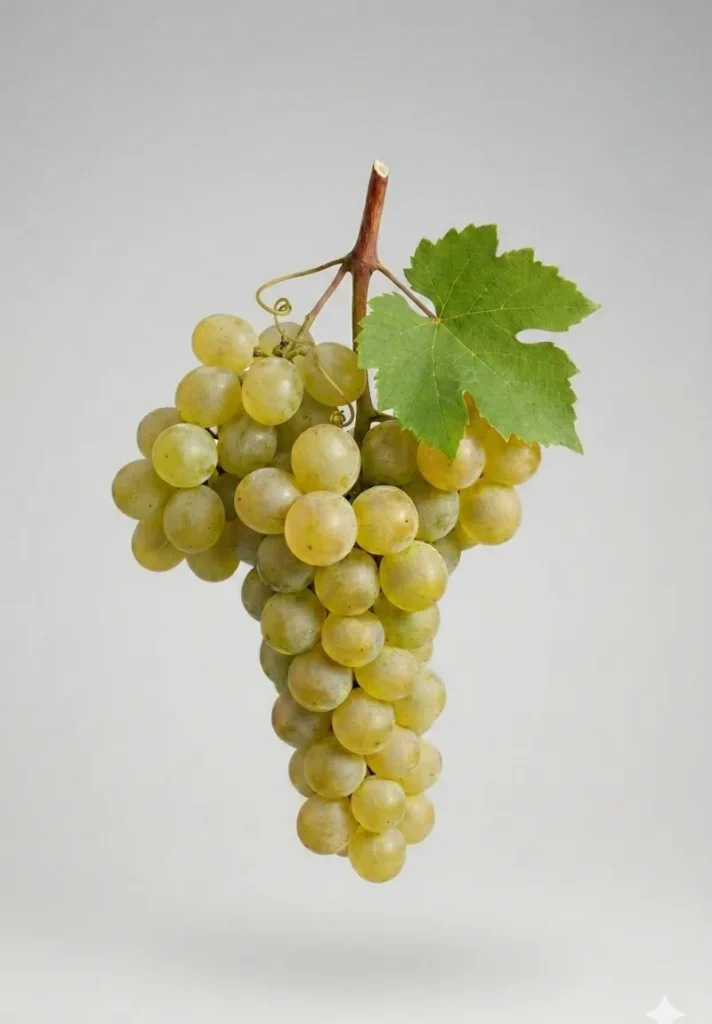
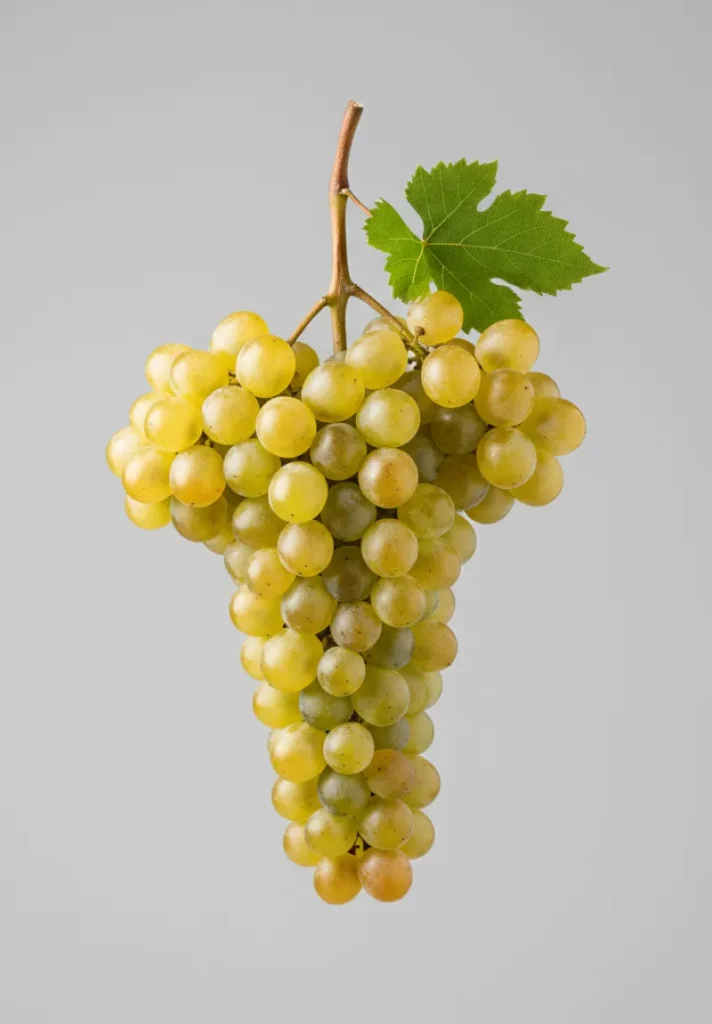
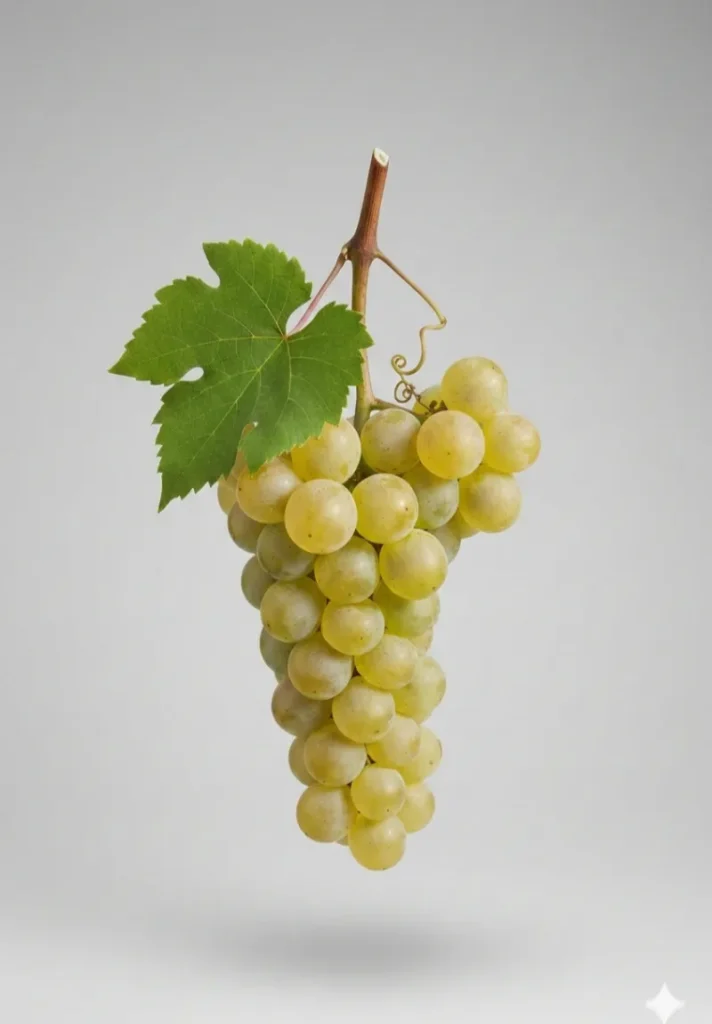
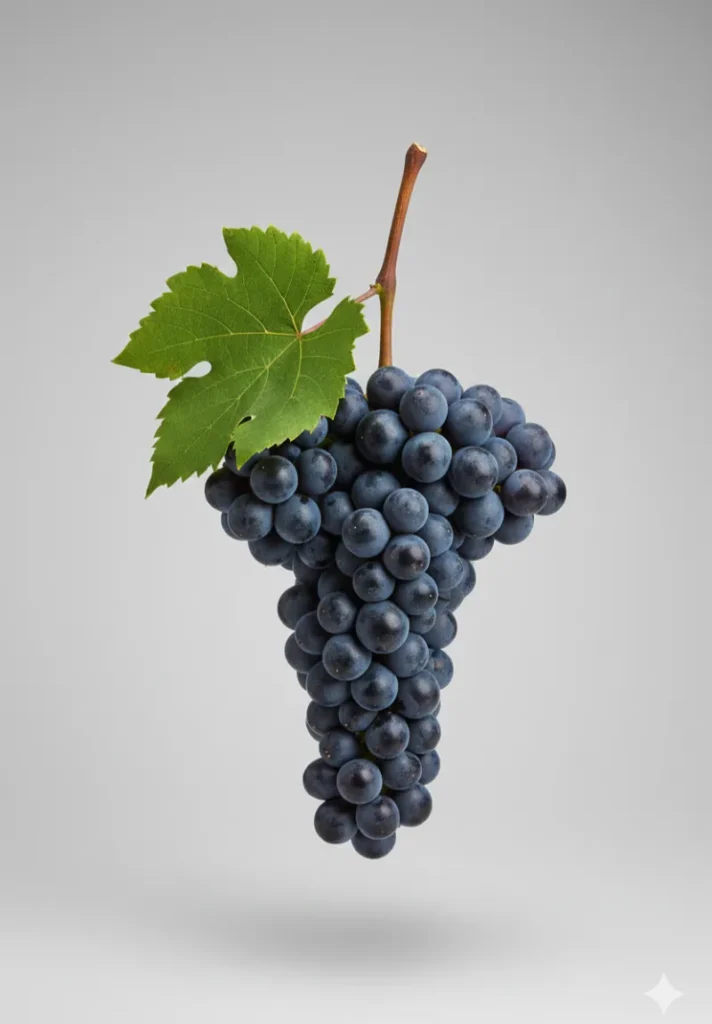
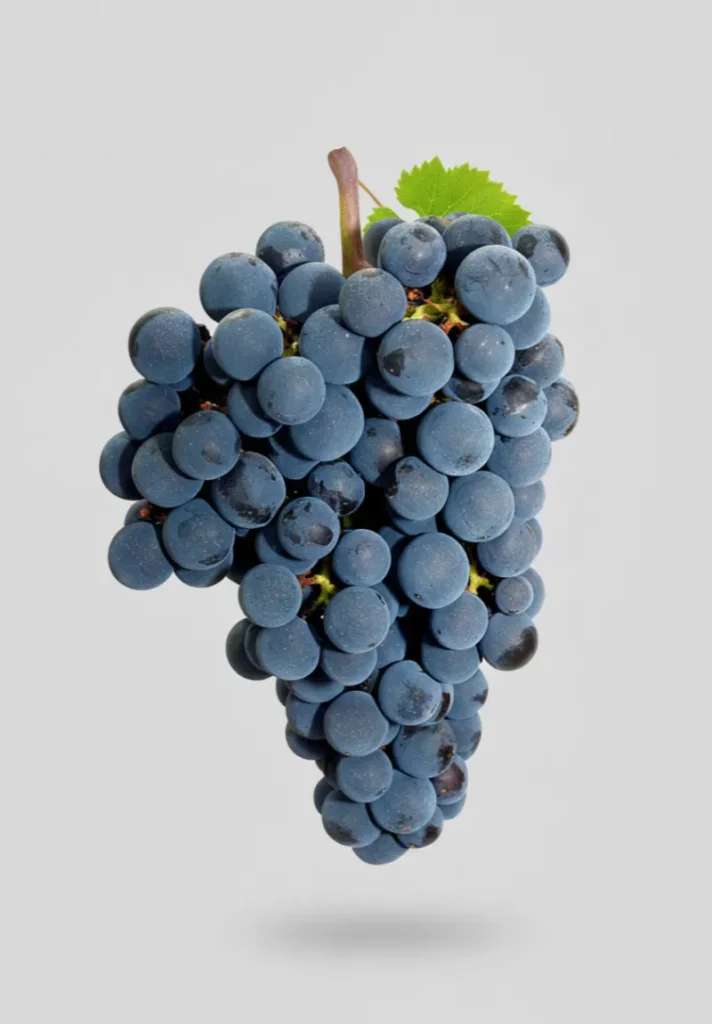
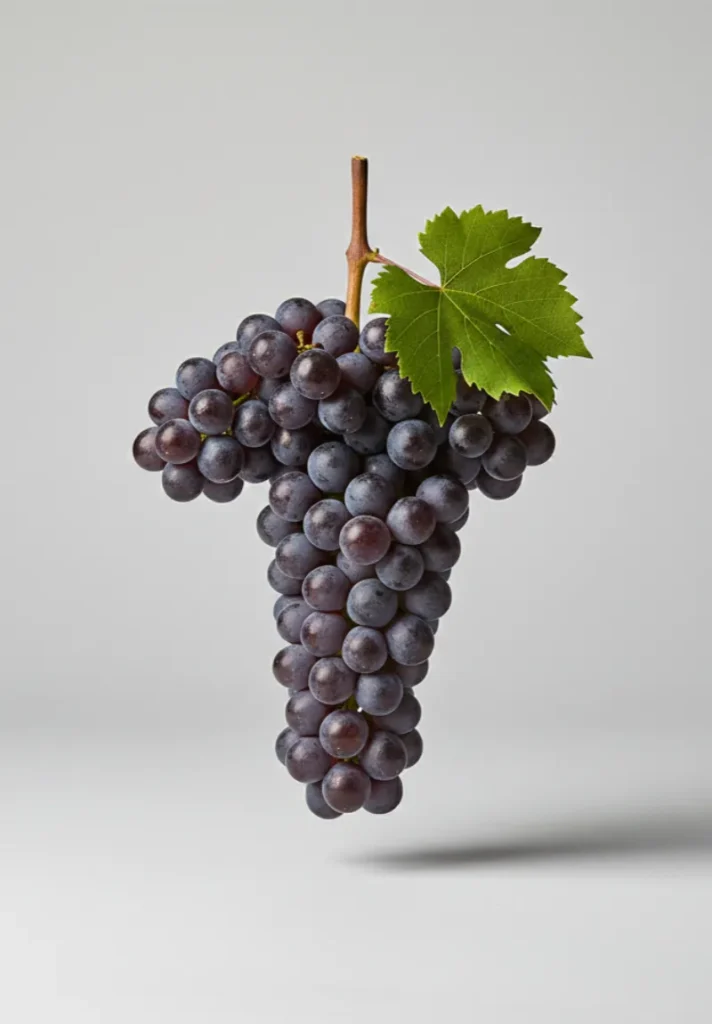
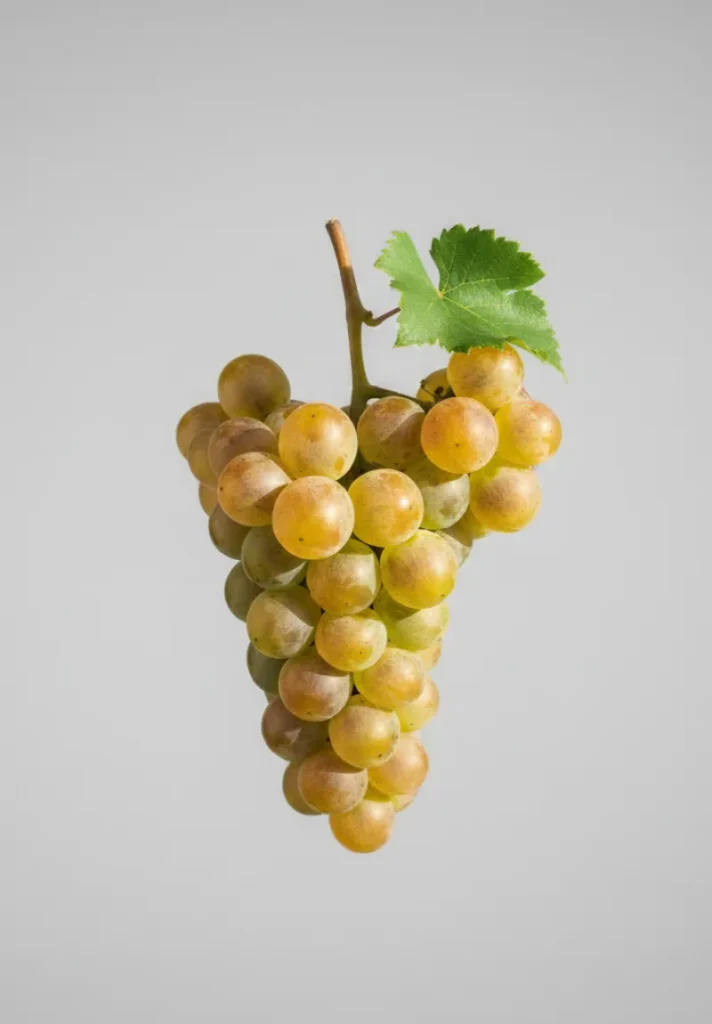
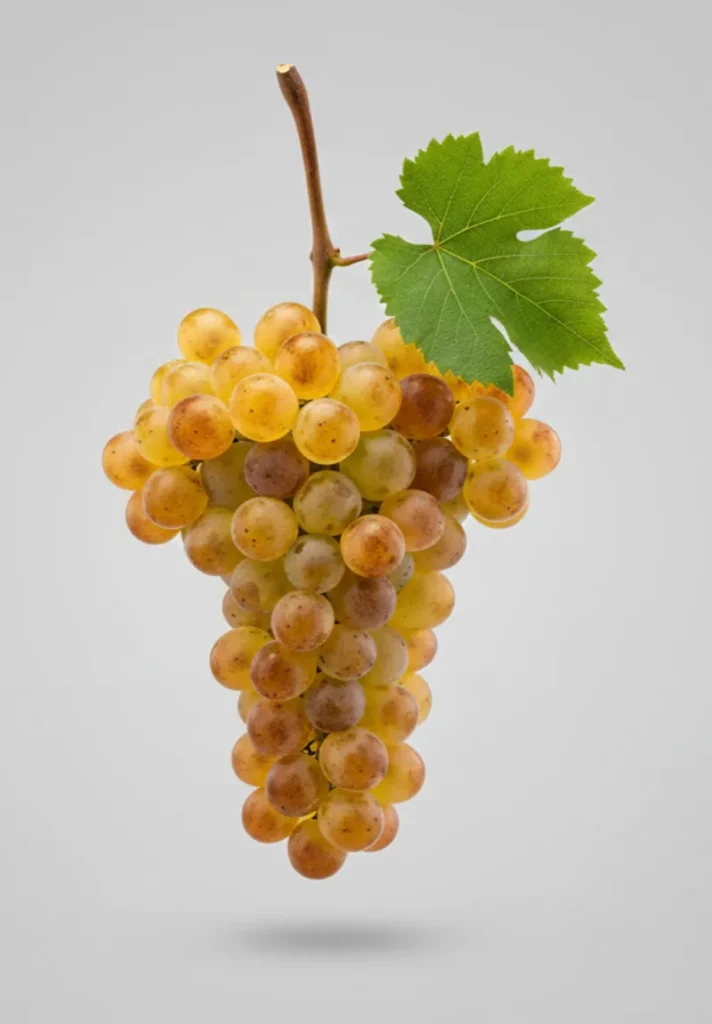
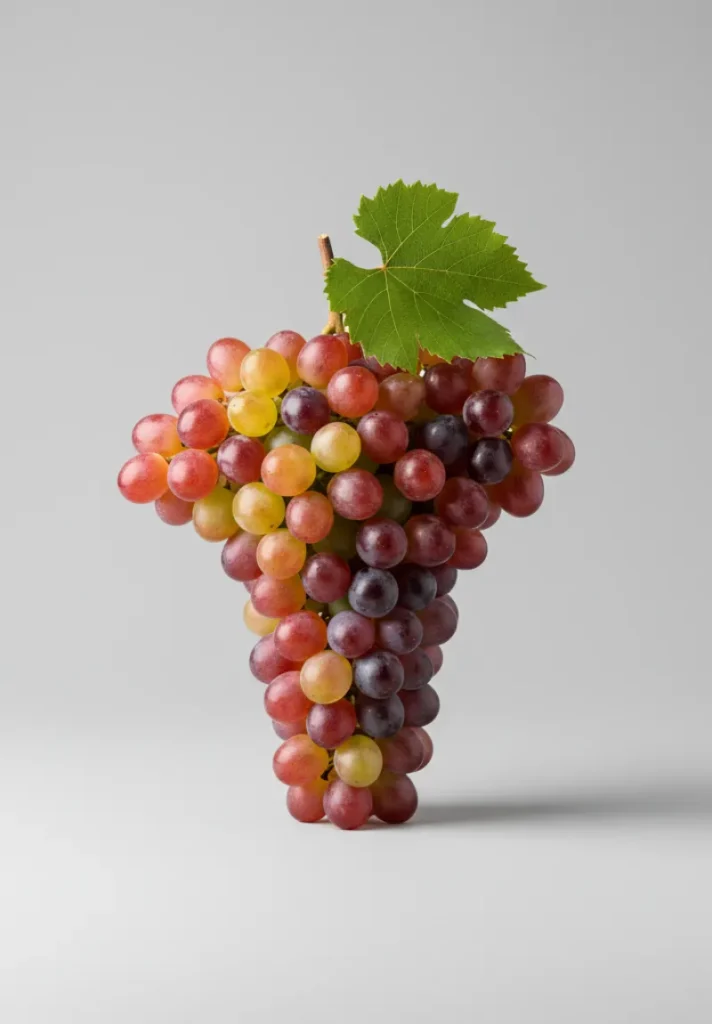
This historic Cretan white grape dates back to the Venetian era when wines from Candia (Heraklion) were prized across Europe. It produces aromatic wines with stone fruit and floral notes, often made dry or sweet, reflecting Crete’s long winemaking tradition.
Vidiano
Often called “The White Diva” this grape is primarily grown in the Rethymno region of Crete, with smaller vineyards found near Heraklion. The grapes produce wines with a bright yellow-green color and a distinctive aromatic profile.
Vilana
Considered the “Queen” of white wines on the island, Vilana is primarily used to produce dry, crisp white wines, though some producers are crafting small batches of premium oak-aged versions. Mainly cultivated in Heraklion & Lasithi, the west part of Crete.
Thrapsathiri
A drought-resistant white grape cultivated all over the island, producing full-bodied wines with soft acidity and a peachy aromatic profile. Its finest versions can be found in the Heraklion & Lasithi regions.
Muscat Of Spinas
Rare and aromatic, this white variety native to Crete is named after the village of Spina. It produces intensely fragrant wines with notes of orange, jasmine, and citrus. Cultivated mainly in Chania, it is used for both dry and sweet wine styles, often showcasing excellent aging potential.
Kotsifali
An ancient red grape variety of Crete, deeply rooted in the island’s winemaking history. Its name is believed to derive from the Greek word “kotsifi,” meaning blackbird, possibly referencing the dark color of its grapes. Known for its resilience and adaptability, it produces medium-bodied wines with soft acidity.
Mandilari
Another ancient grape native to the island, It produces deeply coloured wines with high tannin levels and notable acidity. Aromas mainly of red fruits, such as cherries and plums, along with hints of leather when aged in oak barrels.
Liatiko
One more red grape that dates back to the BC era, it produces mostly sweet wines through sun-drying grapes. This is where the grape gets its name which in Greek means “exposed to the sun”.
Dafni
Dafni is a rare, ancient Cretan white grape named after the laurel (bay leaf) because its wines often show herbal and citrus notes. Nearly extinct until revived by passionate growers, it now produces dry, aromatic wines with fresh acidity and a distinctive herbal character, reflecting the island’s long viticultural heritage.
Plyto
Plyto is a traditional Cretan white grape mainly grown in western Crete. Known since the Venetian era, it produces crisp wines with bright citrus and pear aromas, subtle floral notes, and a clean, refreshing finish.
Tsikoudia
Tsikoudia is Crete’s traditional spirit, made by distilling the residue of grapes after winemaking. Often called “raki,” it has a clear appearance and a strong, clean flavor, typically enjoyed as a digestif throughout the island.
Rakomelo
Rakomelo is a Cretan drink made by warming tsikoudia (raki) with honey and spices like cinnamon or clove. It’s enjoyed as a digestif or warming beverage, combining the island’s grape spirit with sweet and aromatic flavors.